There is a particular kind of quiet you hear on the shoulder of I‑26 when a semi’s wake has just kicked a pebble into your windshield. It’s the hush that falls after the crack blooms across the glass and you realize your morning just took a detour. In Columbia, that detour plays out differently depending on where you are. Downtown, you might be circling for a garage spot while the crack winks in the sun. Out past Pelion or Blythewood, you might be parked beside a soybean field thinking about how long a repair van will take to find you. The difference between urban and rural isn’t an academic thing out here; it’s twenty miles of service radius, different road speeds, and whether your phone GPS thinks “that dirt road” is actually a road.
This is where mobile auto glass earns its keep. The right technician brings a shop’s worth of tools to your driveway or job site, then works with the sun, the humidity, and the particular quirks of South Carolina roads. If you are weighing auto glass repair Columbia choices, or you want a plan for that next rogue pebbled incident, here is how coverage really works, what counts as smart timing, and how to avoid turning a fingernail chip into a full windshield replacement Columbia drivers dread.
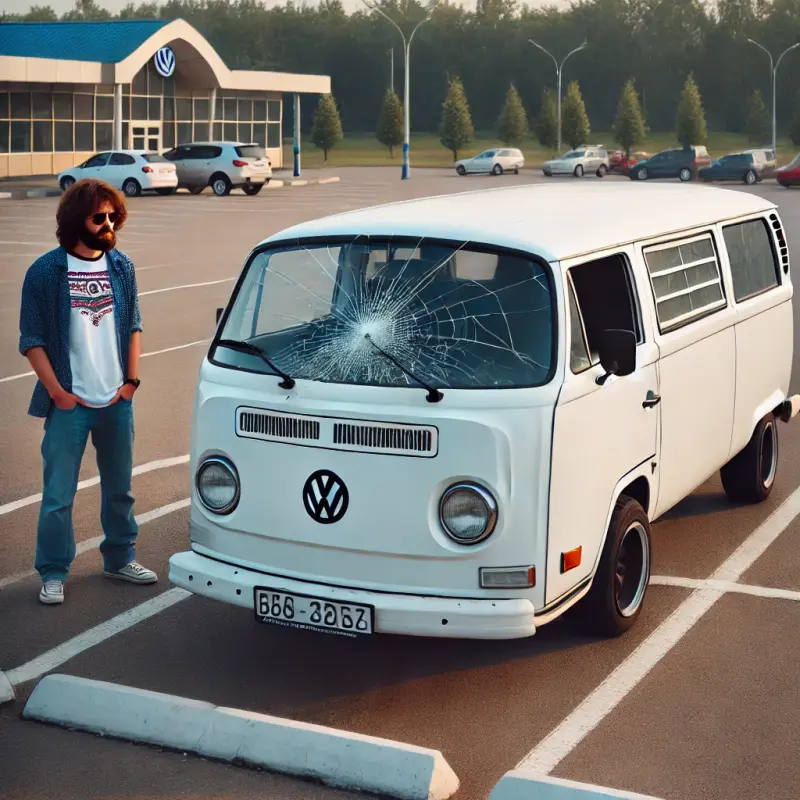
What mobile actually means in Columbia
Mobile isn’t a gimmick. It’s a truck or van loaded with calibrated glass, urethane adhesives, cutting wire, vacuum systems, dash covers, and a technician who knows how to wrestle a stubborn cowl without snapping clips. In Columbia, “mobile” also implies a geography that makes sense: roughly a 40 to 60 mile radius centered on the city, flexed by traffic patterns and the day’s schedule. Most reputable providers cover the urban core from Five Points to the Vista, then radiate out past Irmo, Lexington, Cayce, and Northeast Columbia. Rural coverage often extends into Fairfield, parts of Newberry County, Calhoun, and segments of Kershaw, especially along corridors like US‑378, SC‑6, and I‑77.
The tradeoff is time. Urban appointments move faster because the tech can book several jobs within a few miles. Rural stops require more planning, and you’ll see arrival windows that look like 10 a.m. to noon rather than 10:30 sharp. When you call for mobile auto glass service Columbia residents rely on, ask explicitly how far your address sits from their core hub, and whether they batch rural jobs by day. If you can flex a bit, you often get better pricing and a technician who arrives with the right glass already loaded.
Chips versus cracks, and where the line lives
Not all glass damage deserves the same response. A chip the size of a pencil eraser that sits outside the driver’s direct sightline is a comfortable candidate for resin injection. A crack that reaches an edge of the windshield or spans more than 6 to 8 inches is living on borrowed time, especially once the afternoon heat hits. The pothole you forgot about on Taylor Street becomes the last straw. And cracked windshields in modern vehicles aren’t just cosmetic. The glass contributes to roof rigidity, airbag deployment timing, and keeps the cabin sealed for ADAS sensor consistency.
Here’s how we think about it after years of on‑site work: if you can cover the chip with a quarter and it isn’t feathering out in multiple legs, call for repair the same day or within 48 hours. If a line is creeping toward the A‑pillar, do not wait for the weekend discount. The first slam of a door can propagate that fracture across half the screen. That is when you shift from a tidy same‑day windshield repair Columbia drivers love to a full replacement, which takes longer, costs more, and may require calibration.
The Columbia climate tax: heat, humidity, and pollen
Our weather has opinions. Summer heat loads a windshield to well over 120 degrees in direct sun, then the afternoon thunderstorm snaps the temperature down twenty degrees in minutes. Glass hates sudden thermal change. A tiny chip that would chill in a dry climate starts to spider. Humidity plays with adhesive cure times. Most modern urethanes reach minimum drive‑away strength in one to three hours depending on product and conditions, but post‑storm humidity near 90 percent can push that higher. That matters for scheduling, because a responsible tech won’t hand you the keys until the bead has reached safe strength.
Then there’s pollen. If you schedule a repair under an oak while catkins are falling, expect a pause while the tech lays tarps, uses edge tape, and runs a final alcohol prep immediately before setting glass. I have watched a beautiful bead get peppered by yellow dust in seconds on a breezy day. Good techs adapt: set the truck as a windbreak, work with portable pop‑up shade, and move the car if needed.
Urban coverage: a dance with parking and sensors
Downtown Columbia offers predictable navigational headaches. Garage roofs can be too low for the work van, and the lighting is often poor for inspecting fine cracks. Street parking raises safety and space issues when pulling a windshield. Good providers have a routine: confirm your parking situation during booking, ask if you can relocate to a ground‑level lot, and schedule around peak food truck hours when foot traffic is heavy. If you drive a vehicle with a camera bracket or rain sensor mount at the top center, the tech will need enough light to seat the gel pad cleanly and avoid trapping micro‑bubbles.
Urban service often dovetails with ADAS. Lane‑keeping cameras, forward collision sensors, and automatic high beam systems rely on clear, correctly angled glass. Many late‑model cars require either a static calibration using a target board or a dynamic calibration with a test drive on marked roads. Some mobile technicians carry portable calibration rigs and can do it at your office. Others will partner with a shop for the calibration stage. If you hear “no calibration needed” for a vehicle that clearly has a forward camera, push back. You want that system working when a pedestrian steps off the curb by the State House.
Rural coverage: GPS lies and gravel wisdom
Out past the beltway, mobile service involves a few predictable curveballs. GPS often truncates private roads or farm lanes, and pin drops can triangulate a pasture. The tech will call for a landmark: the blue mailbox with the carved palmetto, the old feed store, the church with the tin roof. Build in a few minutes for logistics. It saves half an hour of wandering.
Gravel adds another quirk. Adhesive cure times assume a smooth rollout. If your only parking is tilted or dusty, the tech will tarp, vacuum, and sometimes redirect you to a church lot or a neighbor’s flat driveway. I have leveled cars with slip pads under tires to keep a bead from creeping downhill. This detail work separates a clean install from a wind noise complaint.
Cell coverage also matters. Some calibration procedures require steady connectivity. If your road drops to one bar, the tech may complete the glass work on site then drive ten miles toward town for calibration. It’s not ideal, but it beats an incomplete process that leaves your safety systems offline.
How same‑day service really happens
Same day can mean two different things. The best version is a chip repair that takes 20 to 30 minutes and locks in while you sip coffee. The trickier version is a full car window replacement Columbia residents request after a break‑in, where tempered side glass has scattered into every crevice of a seat track. That job involves vacuuming shards, checking weatherstrips, and aligning the window regulator. It can be done same day if the glass is readily available. For mainstream models, side and rear glass often sits on the van or in a nearby warehouse. For specialty trim, tint patterns, car window replacement columbia or heated backlites with integrated antennas, lead time jumps a day or two.
Windshield replacement Columbia turnarounds depend on glass availability, ADAS calibration, and weather. A common sedan may be same morning call, afternoon install. A luxury SUV with acoustic glass, rain sensor, humidity sensor, and top tint may need a next‑day delivery. That is not foot dragging, it is managing risk. The cost of resealing a rushed job is higher than waiting twelve hours for the correct part.
The cost conversation, without the dance
Pricing in Columbia tracks with national averages but benefits from competition. A straightforward chip repair usually lands around the price of a dinner out, while a basic windshield replacement ranges from low hundreds to a thousand or more depending on ADAS, acoustic layers, and brand. The biggest swing factor remains insurance. South Carolina’s comprehensive coverage often includes glass repair or replacement with little to no deductible, but the details matter. Some policies waive the deductible for repairs but not replacements. If you want to preserve a zero‑cost outcome, act early while a chip is still a repair.
Cash pricing can be friendly if you are flexible on timing and location. When the scheduler can slot your car near another job on their route, you save them travel time. Ask politely whether a route‑friendly appointment reduces the rate. You will be surprised how often the answer is yes.
OEM versus aftermarket glass: the honest trade‑offs
I have installed OEM glass that fit so tightly it clicked into place with the satisfaction of a book closing. I have also installed aftermarket panes that were indistinguishable from factory, right down to the frit pattern and edge polish. The decision runs on three rails: fit, optical clarity, and sensor compatibility.
OEM pieces tend to have perfect bracket placements and consistent curvature. That helps with head‑up displays and camera angles. Aftermarket quality varies by manufacturer, but the top tier has closed the gap and often comes from the same parent glass producers. If your vehicle has HUD, complex defogger patterns, or tight camera tolerances, OEM can be worth the premium. If you drive a model with a simple mount and no HUD, a reputable aftermarket will do the job and spare your wallet. Ask your provider which brands they stock and whether they have seen calibration headaches with your specific model.
What separates a great mobile tech from a mediocre one
Tools matter, but habits matter more. The tech who tapes your painted fenders before cutting out the old glass is thinking ahead. The tech who measures adhesive temperature and logs the safe drive‑away time is protecting you. Watch for clean gloves, windshield stands with padded cradles, and a dry‑fit before adhesive is laid. If you see the old urethane trimmed to a consistent height, not hacked, you are in good hands.
Communication is another tell. A pro explains why a chip at the edge is a poor candidate for repair or why your lane camera needs a calibration drive. They will not promise what they cannot deliver, like a static calibration on a car that requires a dynamic run along a road with clear lane markings. In Columbia that often means a loop that includes a stretch of I‑20 or I‑77, not the back alley behind your office.
Scheduling smart, whether you are downtown or down a dirt road
You can help your case. Aim for shade if the day is hot. If you are in an urban lot, ask building management where mobile work is allowed and reserve a spot if possible. If you are rural, text a pin that you have verified at your driveway entrance, not your mailbox half a mile away. Clear the dash of decorations that can snag the dash cover, and if you have a toll transponder, remove it so the tech can cleanly cut. If rain threatens, discuss rescheduling or setting a tent; modern urethanes resist moisture, but the prep and install are cleaner when dry.
Some customers try to press for a lunch hour miracle. A chip, maybe. A full replacement, rarely. A proper windshield install with ADAS checks is closer to 90 minutes to two hours on site, plus the cure window. If you must drive soon after, the tech can select a fast‑cure urethane and plan the set time accordingly. That is one more reason to be candid about your day.
Safety and legality in South Carolina terms
Visibility is the obvious concern. Less obvious are the inspection and enforcement nuances. South Carolina law focuses on unobstructed view and safety, not a strict centralized inspection regime. That means you will not fail a state inspection line, but you can still get attention if a crack runs into the driver’s sweep area or if the glass is so compromised that it risks collapse. Police discretion varies, and they see enough wrecks to be wary of structural issues. Driving with a compromised windshield is not a clever gamble considering airbags rely on a strong windshield frame to bounce and protect.
There is also the repair versus replace boundary from a safety engineering standpoint. A properly executed resin repair restores cosmetic clarity and prevents spreading, but it does not fully restore the original structural integrity at the micro level. That is acceptable for minor, contained chips. It is not acceptable for long cracks or edge damage. If a tech suggests repair for a clearly unsafe crack, you are talking to the wrong outfit.
Commercial fleets and work trucks have different needs
Fleet managers live in downtime spreadsheets. They want predictable service windows, consolidated billing, and proof that ADAS is calibrated so drivers aren’t chasing dashboard lights. Columbia’s mix of municipal fleets, utilities, landscapers, delivery vans, and construction pickups means mobile providers often block mornings for fleet yards and afternoons for retail customers. The best fleet days run like clockwork: the tech lines vehicles in sequence, pre‑checks VINs, and preps glass the day before. For trucks with ladder racks or light bars, removal adds time. If those vehicles spend their lives on dusty sites, fresh cabin filters and a deep vac during glass work can save headaches later.
Real‑world examples from local roads
A nurse in Rosewood noticed a bullseye chip after a shift. It sat just above the passenger wiper arc. She called at 7:30 a.m. and had a mobile tech at 10. Twenty minutes later the resin had cured, and she paid less than she spends on a Friday dinner. That chip would have likely turned into a crack during the afternoon heat, and her comprehensive would have covered the repair at no cost anyway. Small problem, handled quickly.
A contractor near Gaston found his driver’s side window shattered from a stray rock at a job site. The van was loaded for an afternoon concrete pour. Mobile service arrived by lunch with a replacement tempered glass, vacuumed a truly heroic amount of grit from the weatherstrip, and got the window aligned before 2 p.m. The key detail was stocking: that provider keeps common van glass on the truck because work vehicles break windows more often than commuter sedans.
Then there is the late‑model crossover with adaptive cruise and lane‑keeping. The owner tried to ignore a crack that traced along the lower edge under the wipers. One door slam later, the line shot across the driver’s view. Replacement required acoustic OEM glass and a static camera calibration with a portable target board, then a dynamic drive. Urban scheduling worked in his favor: the tech did the static setup in a garage with good lighting and clean floor, then ran a calibration loop on I‑26. The process took just over two hours on site plus a one‑hour drive‑away wait. The customer started the afternoon with a working camera and a windshield that will not sing at highway speeds.
When to say no to mobile and yes to shop
Mobile shines in most scenarios, but not all. Some trucks with bonded quarter glass and rusted pinch welds demand lift time and body shop collaboration. Extreme cold snaps, rare here but not impossible, can stretch cure times beyond a practical window. If your windshield frame shows rust or previous urethane lumps from a sloppy install, a shop visit lets a tech strip and prime correctly. This is not about upsell; it’s integrity. A quick mobile patch on a compromised frame is a future leak and a headache during the next storm.
Keyword reality check, made useful
If you are shopping around with searches like auto glass repair Columbia or mobile auto glass service Columbia, translate the marketing into operational questions. Ask how far their rural routes go and on which days. For windshield replacement Columbia options, ask in plain language about calibration, glass brand, and safe drive‑away times. When you need car window replacement Columbia after a break‑in, ask whether the tech carries trim clips and vapor barrier tape for your model. And if time is the pain point, ask for genuine same‑day windshield repair Columbia availability instead of clicking the first ad with an instant form.
A short field checklist you can actually use
- Note the damage type and size, plus whether it touches the edge. Grab a clear location pin and a shaded spot if possible. Clear the dash and front seats; remove toll tags and dash cams. Ask about calibration for your specific vehicle and plan the time. Confirm safe drive‑away time based on today’s weather.
The quiet after the fix
There is a small moment after a good install when you close the door, feel the seal, and the cabin goes calm. No whistle, no rattle, no visual distortion where the HUD floats, no spidering lines in your peripheral vision. Whether that calm arrives in a parking garage off Main Street or beside a hay field where your dog acts as the only traffic, it arrives because the right people brought the right habits to your doorstep. Columbia is wide and varied. Good mobile service respects that spread, plans for it, and shows up with tape, targets, and the patience to wait out a passing shower. That mix of craft and logistics is what keeps glass in its lane and you in yours.